
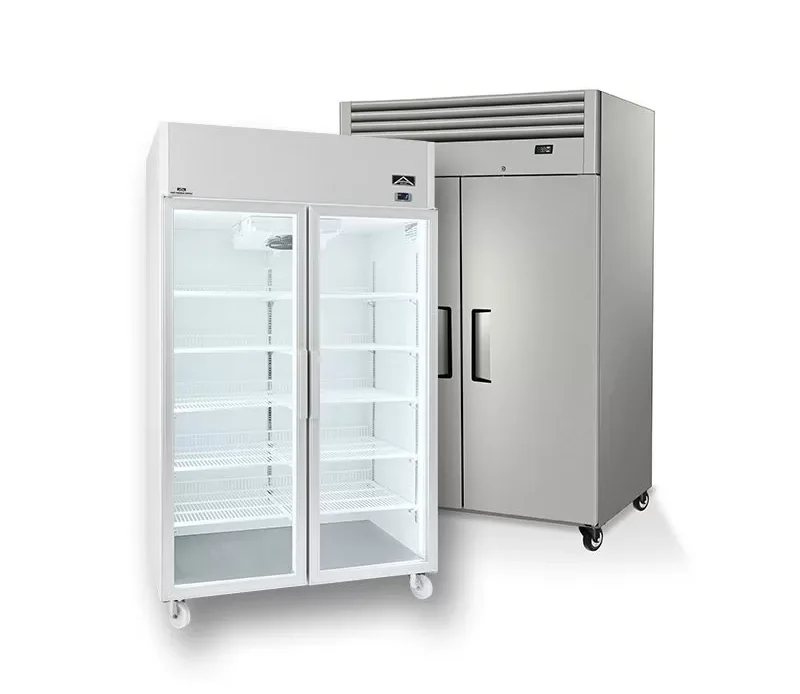
Running a business in the hospitality or food service industry here in Perth means keeping a close eye on overheads. One area where smart investment can make a significant difference is in your refrigeration. Choosing the right commercial refrigeration Perth options can save you money in the long run, improve efficiency, and ensure the quality and safety of your products.
From restaurants and cafes to supermarkets and convenience stores, reliable refrigeration is absolutely essential. But with so many options available, how do you make the right choice? This guide will walk you through the key considerations, helping you make an informed decision that benefits your bottom line.
Understanding your refrigeration needs
Before diving into specific models and brands, it’s crucial to assess your unique requirements. What type of business are you running? What volume of products do you need to store? Answering these questions will help you determine the size, type, and features you need in your refrigeration system.
Assessing your business type
Different businesses have different refrigeration needs. A small cafe might only require a display fridge and a small storage unit, while a large supermarket will need walk-in coolrooms, freezers, and multiple display cases. Consider the specific demands of your operation.
- Restaurants and cafes: Prioritise display fridges, under-counter storage, and efficient coolrooms.
- Supermarkets: Focus on large-capacity coolrooms, freezer rooms, and display cases with temperature control.
- Butchers and seafood shops: Require specialised coolrooms with precise temperature and humidity control.
Determining the right size and capacity
Choosing the correct size and capacity is crucial. Too small, and you’ll struggle to store your products adequately. Too large, and you’ll waste energy and space. Calculate your average stock levels and consider future growth when making your decision.
Think about peak periods, such as weekends or holidays, when your storage needs will increase. It’s always better to err on the side of slightly larger capacity than to constantly struggle with limited space.
Exploring different types of commercial refrigeration
The world of commercial refrigeration is vast and varied. From upright fridges to walk-in coolrooms, each type serves a specific purpose. Understanding the different options available will help you narrow down your choices.
Upright fridges and freezers
These are the workhorses of many commercial kitchens. Upright fridges and freezers offer convenient storage and easy access to your products. Look for models with adjustable shelves, digital temperature controls, and energy-efficient features.
Consider models with glass doors for display purposes, which can be particularly useful for cafes and convenience stores. Solid door models offer better insulation and are ideal for back-of-house storage.
Walk-in coolrooms and freezers
For businesses with high-volume storage needs, walk-in coolrooms and freezers are essential. These provide a large, temperature-controlled environment for storing perishable goods. Proper insulation and efficient cooling systems are critical for optimal performance. If you need coolroom repairs, it’s important to address them promptly to prevent spoilage and maintain efficiency.
Consider the size of your space and the layout of your kitchen when designing your walk-in coolroom. Ensure easy access for loading and unloading, and consider adding shelving or racking systems to maximise storage capacity.
Display fridges and showcases
Display fridges are designed to showcase your products while keeping them at the correct temperature. These are commonly used in cafes, bakeries, and delis to attract customers and promote sales. Features like adjustable shelving, lighting, and temperature control are important considerations.
Think about the aesthetic appeal of your display fridge. Choose a model that complements your store’s decor and effectively showcases your products. Regular cleaning and maintenance are essential to keep your display fridge looking its best.
Factors affecting the cost of commercial refrigeration
The cost of commercial refrigeration can vary widely depending on several factors. Understanding these factors will help you budget effectively and make a smart investment.
Size and capacity
Larger units with greater capacity will naturally cost more than smaller ones. Consider your current and future storage needs when determining the right size for your business. Remember, it’s better to have a little extra space than not enough.
Energy efficiency
Energy-efficient models may have a higher upfront cost, but they can save you money on your electricity bills in the long run. Look for models with high energy star ratings and features like LED lighting and improved insulation. This can lead to significant savings over the lifespan of the unit.
Brand and features
Well-known brands often come with a premium price tag, but they also tend to offer better reliability and performance. Consider the features that are most important to you, such as digital temperature controls, adjustable shelving, and automatic defrost systems. Investing in quality can prevent costly breakdowns and repairs.
Installation and maintenance considerations
Proper commercial refrigeration installation is crucial for ensuring optimal performance and longevity. Regular maintenance is also essential to keep your equipment running smoothly and prevent costly breakdowns.
Professional installation
Hiring a qualified technician for installation is highly recommended. They will ensure that your equipment is properly connected, calibrated, and ready to use. This can prevent common issues like leaks, temperature fluctuations, and inefficient operation.
Regular maintenance
Establish a regular maintenance schedule to keep your refrigeration equipment in top condition. This should include cleaning coils, checking seals, inspecting electrical connections, and monitoring temperature performance. Regular maintenance can extend the life of your equipment and prevent costly repairs.
Prompt repairs
Address any issues promptly to prevent them from escalating into major problems. Ignoring warning signs like unusual noises, temperature fluctuations, or leaks can lead to significant damage and costly downtime. Having a reliable repair service on call is essential for minimising disruptions to your business.
Making a smart investment in commercial refrigeration
Investing in quality refrigeration equipment is a smart decision that can benefit your business in many ways. By carefully considering your needs, exploring your options, and prioritising energy efficiency and maintenance, you can choose the right equipment and save money in the long run. Exploring the world of commercial refrigeration can be daunting, but with the right information, you can make an informed decision.
Remember to factor in the total cost of ownership, including purchase price, installation, energy consumption, and maintenance. By taking a holistic approach, you can make a smart investment that supports the success of your business.
FAQs about commercial refrigeration
What size coolroom do I need?
The size of your coolroom will depend on the volume of products you need to store. Consider your average stock levels and future growth when making your decision. Consult with a refrigeration specialist for personalised advice.
How often should I clean my coolroom?
Coolrooms should be cleaned regularly, ideally at least once a month. This will help prevent the growth of bacteria and mould and ensure the safety of your products. More frequent cleaning may be necessary in high-traffic areas.
What temperature should my commercial fridge be?
The ideal temperature for a commercial fridge is between 0°C and 4°C. This will help keep your products fresh and safe for consumption. Monitor the temperature regularly to ensure it stays within the recommended range.
How can I improve the energy efficiency of my refrigeration equipment?
There are several ways to improve the energy efficiency of your refrigeration equipment, including choosing energy-efficient models, regularly cleaning coils, and ensuring proper insulation. Consider investing in a smart thermostat to optimise temperature control.
What are the common signs of refrigeration problems?
Common signs of refrigeration problems include unusual noises, temperature fluctuations, leaks, and excessive condensation. Address any issues promptly to prevent them from escalating into major problems.