
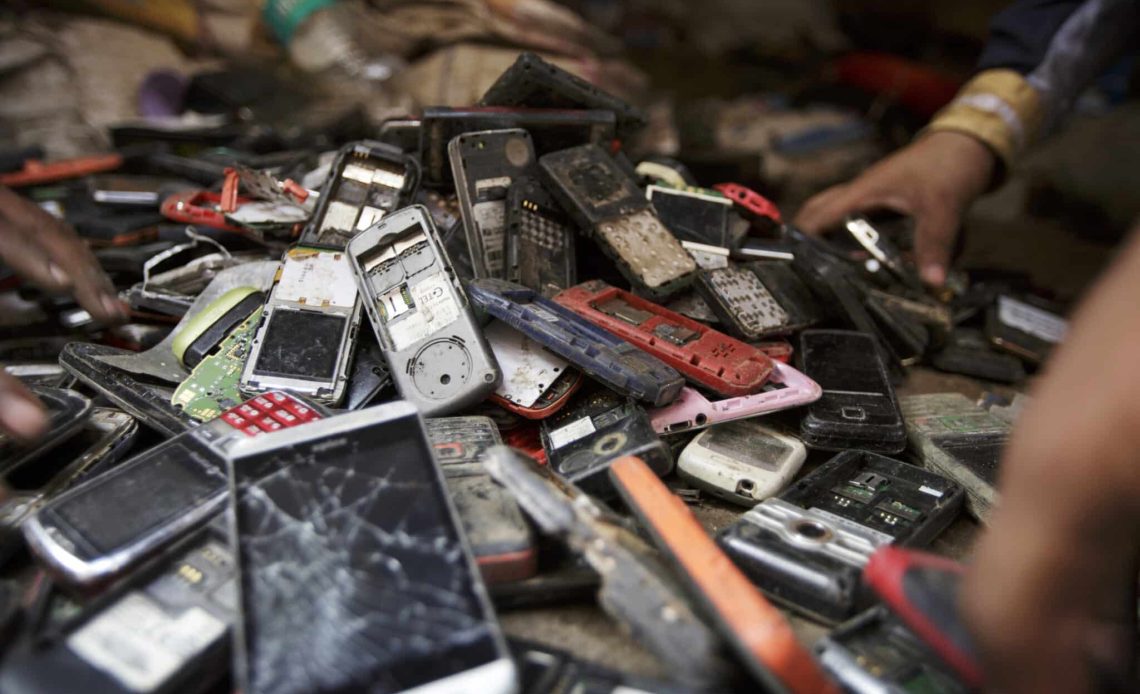
Electronic waste and appliances require specialised handling beyond standard junk disposal due to hazardous components and valuable recoverable materials. These items can’t simply go to regular landfills because of environmental regulations and material recovery opportunities. junk removal in Seattle WA operates a route for electronics and appliances to certified processing facilities equipped for proper breakdown and recycling. Different handling protocols apply to various electronic categories and appliance types based on their contents and disposal requirements. Knowning proper e-waste and appliance processing reveals why these items need separation from general trash. Regulatory compliance and material value recovery both drive specialised handling procedures for these specific junk categories.
Appliance recycling methods
A specialised appliance recycling facility prepares materials for safe reuse after recycling large appliances with steel, copper, and aluminium. Refrigerants from refrigerators and air conditioners are recovered as part of the first step of dismantling, and foam insulation with blowing agents is removed separately to prevent harmful gases from escaping. Metal shells are shredded or compressed after components have been removed, and steel and aluminium are sent to scrap metal processors for recycling. A similar process is followed by washing machines, dryers, dishwashers, and stoves, in which motors, wiring, drums, and outer casings are separated into groups based on clear materials. Appliance recycling achieves high material recovery rates because the metal content justifies processing costs through scrap value returns.
Material recovery priorities
Copper, silver, gold, and other metals are also present in circuit boards. There is still a need to recover these metals, even though each device only produces a limited amount. Copper wiring runs through most electronic items and home appliances. When gathered in large amounts, this copper holds strong scrap value. Aluminium is found in computer cases, appliance covers, and heat sinks. Recyclers process this aluminium and turn it into new usable materials. Steel from appliance shells, frames, and internal parts is sent into regular scrap metal systems. This happens after harmful materials are removed safely. Plastic casings are difficult to recycle because electronics use many different plastic types. Separating these materials is costly and not practical in many cases.
Regulatory compliance requirements
Federal and state laws prohibit landfill disposal of many electronic items because of toxic component concerns. Detectors and televisions with cathode ray tubes contain lead and must comply with hazardous waste disposal rules. A mercury switch, battery, and capacitor must be removed before general processing. Electronic products are not thrown away illegally when they are sent to certified processors for disposal. A removal company works with approved facilities to ensure proper handling and to avoid legal problems. Some regions charge a fee on electronic sales to support recycling programs. This funding builds systems that allow safe and lawful handling of electronic waste.
Collection and transportation
Electronics get separated during collection, preventing mixing with general trash heading to landfills. Hauliers recognise e-waste items requiring special routing, pulling computers, televisions, printers, and small electronics into dedicated truck sections. Appliances get grouped similarly since they share processing destinations despite different specific handling needs. Loading organisation at collection sites saves time later by pre-sorting materials heading to different facilities.
Electronic waste and appliance handling involves certified processing, specialised recycling, material recovery, regulatory compliance, and careful collection practices. These procedures ensure proper disposal while recovering valuable materials from discarded items.