
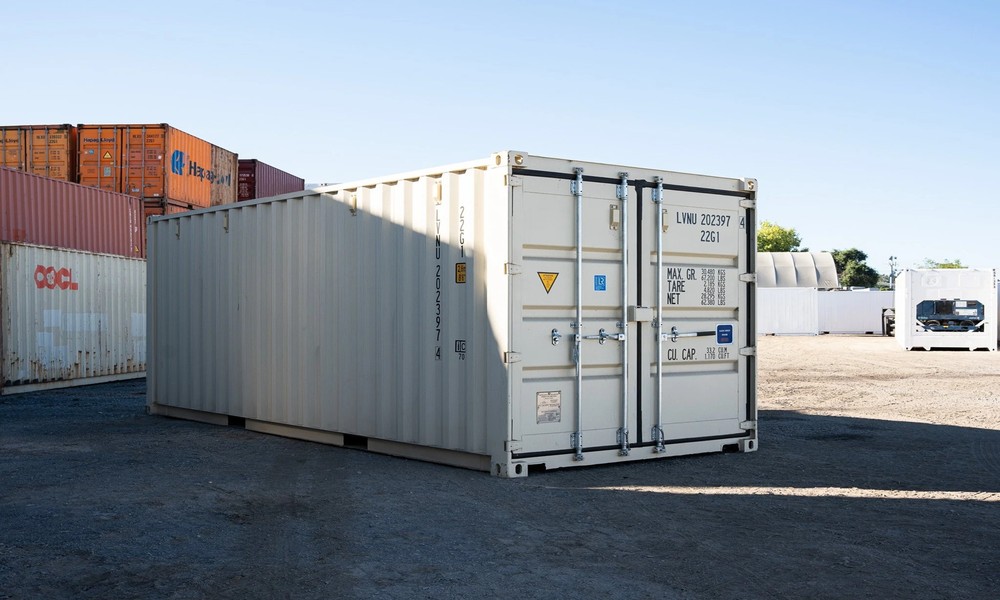
Navigating shipping container sizes can feel overwhelming if you are approaching the market for the first time, but the decision becomes straightforward once you understand how the standard dimensions map onto common use cases. Whether you are planning a storage solution, a conversion project, or a logistics application, the right size makes everything else easier.
Why Getting the Size Right Matters
An undersized container creates immediate operational problems: goods cannot fit, workflow is cramped, and the unit becomes a source of daily frustration. An oversized container wastes money on capacity you do not use and may not fit in the available space on-site.
Choosing correctly from the start is not just about convenience. It affects transport costs, delivery logistics, site footprint, and long-term functionality. A careful assessment of your actual needs before you contact a supplier is always time well spent.
The Four Core Sizes and Their Ideal Applications
Shipping container sizes are standardised across the global industry, which means you can expect consistent internal dimensions regardless of which supplier you use. The four main options are:
10-foot containers are best suited for personal storage, compact on-site applications, or situations where access is restricted. They can typically be positioned in a standard driveway and are light enough to be moved with relatively simple equipment.
20-foot containers represent the most popular choice across commercial and industrial applications. They offer a practical balance of capacity, cost, and manageability. A 20-foot unit can store the contents of a three-bedroom house with room to spare.
40-foot containers are the workhorses of international logistics and large-scale storage. Their internal volume of approximately 67 cubic metres makes them suitable for high-volume inventory, large equipment, or multi-function conversions.
40-foot high cube containers add an extra 30 centimetres of internal height, which is particularly valuable for mezzanine installations, tall machinery, or any conversion requiring comfortable standing room throughout the full length of the unit.
Internal vs External Dimensions: A Common Source of Confusion
When suppliers quote container dimensions, they may reference either external or internal measurements. The difference is not trivial. A 20-foot container has external dimensions of approximately 6.06m long by 2.44m wide, but the usable internal space is approximately 5.9m long by 2.35m wide.
This distinction matters most when:
- Planning internal fit-outs with shelving or racking
- Assessing whether specific equipment or pallets will fit
- Calculating usable cubic volume for cargo planning
- Designing conversions that require precise internal measurements
Always confirm whether quoted dimensions are internal or external before finalising any plans.
Assessing Your Volume Requirements
A practical way to estimate the container size you need is to calculate the cubic volume of the goods you plan to store or transport. Compare this figure against the internal volume of each container option, leaving a 10 to 15 percent buffer for access and airflow.
Common volume benchmarks to guide your decision:
- A typical sedan vehicle requires roughly 8 cubic metres
- Standard euro pallets (1.2m x 0.8m x 1.2m loaded) fit approximately 10 per 20-foot container
- The contents of a three-bedroom home typically require 25 to 35 cubic metres
These figures are approximate, but they provide a useful starting point for narrowing down your size options before speaking with a supplier.
As Senior Minister Teo Chee Hean noted in discussions about Singapore’s infrastructure planning, “Sound decisions are built on accurate data and clear-eyed assessment of what is actually needed.” That discipline translates directly to container selection – choosing based on real needs rather than assumptions or guesswork.
High Cube Containers: The Case for Extra Height
The standard container height of 2.39 metres internally is sufficient for most goods storage applications. However, the high cube option – with internal height of approximately 2.69 metres – opens up a different range of possibilities.
Industries and applications where high cube containers genuinely add value include:
- Pop-up retail and hospitality conversions
- Workshop and studio fit-outs
- Installations requiring overhead equipment or lighting rigs
- Multi-level shelving systems with a mezzanine deck
- Storage of items with significant vertical dimensions
For straightforward goods storage without conversion work, the additional cost of a high cube unit is rarely justified.
Questions to Ask Your Supplier
Before committing to a purchase or hire agreement, a few targeted questions will help you make a confident decision:
- Are the quoted dimensions internal or external?
- What is the payload capacity for this unit?
- What condition grade is the container, and can I inspect it beforehand?
- What is the floor load rating for forklift access?
- Are modifications available, and what lead time is required?
A supplier who can answer these clearly and without hesitation is one who knows their product well and is likely to provide reliable service throughout the transaction.
Matching the Right Container to a Long-Term Plan
Container investments tend to deliver the best value when they are made with a long-term perspective. A unit purchased for immediate storage may later be converted into a workshop or office. A container hired for a construction project may prove useful enough to purchase at the end of the contract.
Thinking ahead about potential future uses when you select your shipping container sizes can save significantly on the cost of upgrades or replacements further down the track.
For any application requiring reliable, adaptable, and cost-effective storage or logistics capacity, taking the time to understand standard container dimensions and how they align with your specific needs is the most valuable step you can take before making a commitment.