
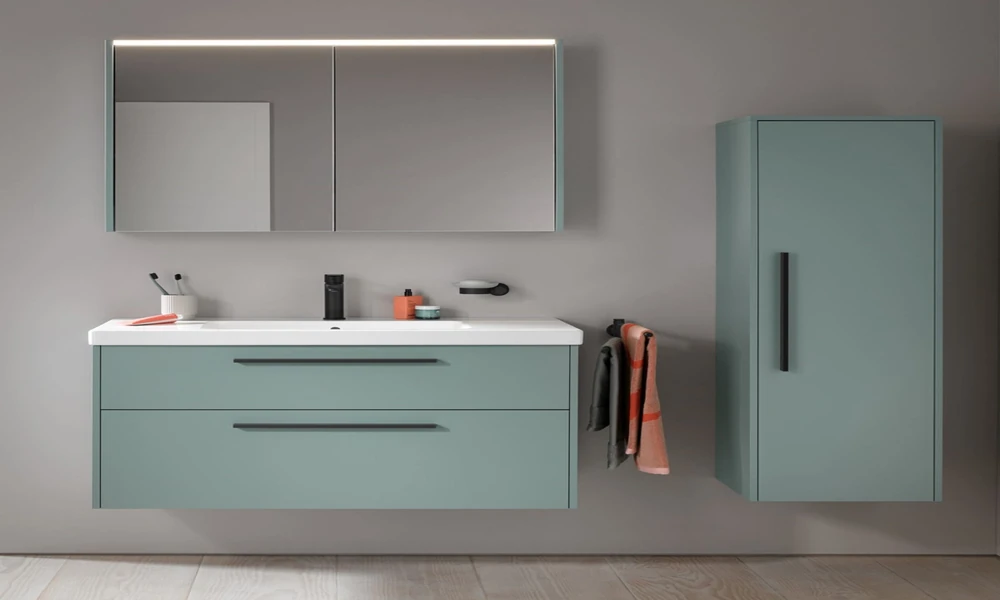
A well-planned bathroom renovation requires careful attention to furniture selection. Storage capacity and visual appeal both influence the overall arrangement. The bathroom vanity units offer a practical way to organise everyday essentials while creating a neat appearance. Freestanding designs are particularly useful because they provide flexible placement options and suit different room layouts. Selecting suitable furniture involves considering available floor space and material quality. Buyers should also examine basin styles and storage features before making a decision. These details help create a functional setting that remains attractive for years.
Evaluating Available Floor Space
Measuring the available area helps prevent overcrowding. Leave sufficient room around drawers and doors so everyday activities remain simple and convenient.
Selecting Suitable Storage Capacity
Storage requirements depend on household needs. Consider drawer depth and cupboard space before choosing furniture that accommodates essential items without creating clutter.
Comparing Different Material Options
Material quality affects durability and appearance. Moisture-resistant finishes and sturdy construction help maintain furniture condition despite regular exposure to bathroom humidity.
Exploring Basin Style Choices
Basin designs influence the overall appearance of bathroom furniture. Choose suitable shapes and sizes that complement available surfaces while supporting everyday washing requirements.
Considering Colour And Finishes
Colour selection contributes to visual balance. Neutral shades create a subtle appearance while darker finishes introduce contrast within carefully planned interior arrangements.
Checking Installation Requirements Carefully
Review plumbing connections and floor conditions before installation. Proper measurements help prevent fitting difficulties while ensuring the selected furniture remains stable.
Improving Everyday Storage Organisation
Well-arranged compartments make daily routines easier. The bathroom vanity units can provide separate spaces for toiletries and cleaning supplies while keeping frequently used belongings accessible.
Choosing Practical Drawer Configurations
Drawer arrangements should match household requirements. Deep compartments accommodate larger belongings, while smaller sections help separate accessories and personal care essentials.
Maintaining A Consistent Interior Style
Matching furniture with existing fittings creates visual harmony. Consider cabinet finishes and basin shapes when selecting additional bathroom accessories.
Planning A Suitable Installation Position
Positioning influences accessibility and appearance. Keep sufficient clearance near surrounding fixtures while ensuring plumbing connections remain accessible for future maintenance requirements.
Successful renovation depends on balancing available space with practical furniture features. Prioritise durable materials and suitable storage arrangements. Careful planning helps create an organised interior that serves everyday requirements without unnecessary changes.
FAQs
What makes freestanding designs useful?
They offer flexible placement and accessible storage while allowing homeowners to update bathroom arrangements without extensive structural changes.
Which materials should buyers consider?
Choose moisture-resistant finishes and sturdy materials that withstand regular use while maintaining their original appearance over extended periods.
How can buyers select suitable dimensions?
Measure available floor space and check fixture positions to ensure sufficient clearance for drawers and convenient everyday movement.
