
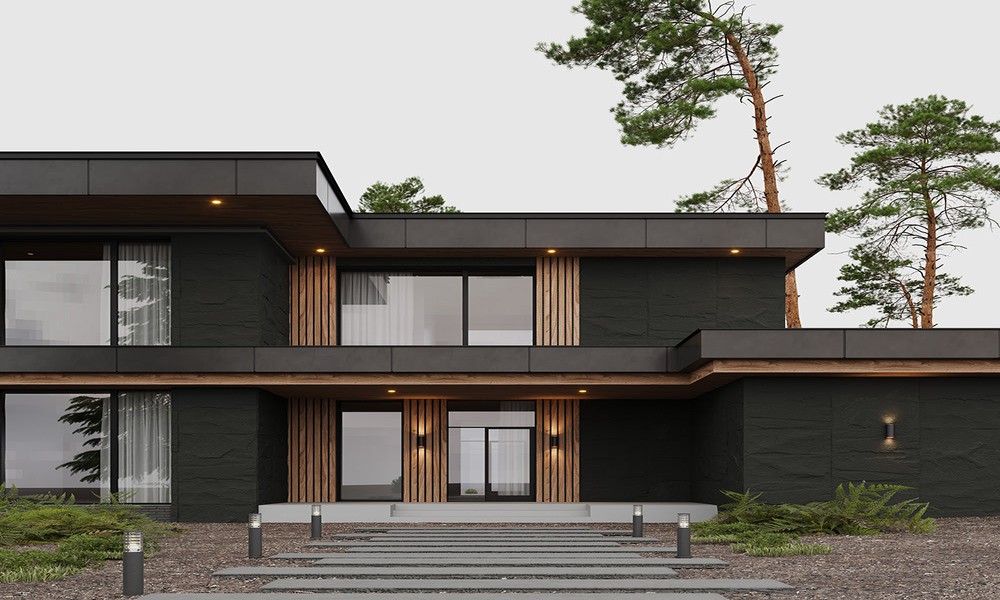
As a result, faux stone panels have become an increasingly popular choice in modern architecture. faux stone provides the natural appearance of stone while offering more flexibility in design and construction.
In recent years, polyurethane faux stone has emerged as an advanced solution that further improves weight reduction, installation efficiency, and production scalability.
Exterior wall decoration is one of the most visible and influential aspects of architectural design. The materials used for building facades not only determine the aesthetic appearance of a structure but also affect durability, installation complexity, structural load, and long-term maintenance costs.
For many years, architects and developers have relied on materials such as natural stone, ceramic tiles, cement decorative panels, and brick cladding. However, these traditional materials often involve heavy weight, high transportation costs, and complex installation processes.
What Is faux stone?
faux stone generally refers to decorative panels that replicate the appearance of natural stone surfaces. These panels are widely used for both interior and exterior architectural decoration.
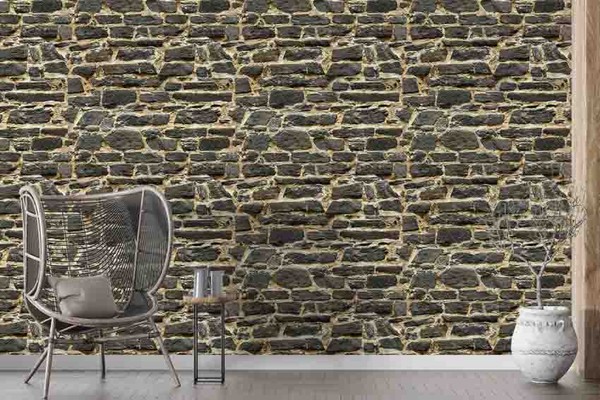
Typical faux stone designs imitate textures such as:
- stacked slate
- limestone block
- sandstone surfaces
- rustic stone walls
- brick-like textures
Unlike natural stone blocks, faux stone panels are usually manufactured products designed to reproduce stone aesthetics while improving practicality.
Common materials used for faux stone include:
- natural cut stone
- cement-based artificial stone
- ceramic decorative panels
- polyurethane faux stone
Each material offers different advantages and limitations depending on application requirements, structural conditions, and cost considerations.
Applications of faux stone in Architecture
faux stone is widely used in architectural decoration because it provides a natural and textured visual effect that enhances building aesthetics.
Exterior Wall Cladding
One of the most common applications is building facade decoration. faux stone panels are frequently used in:
- residential villas
- commercial buildings
- hotels and resorts
- retail storefronts
The textured stone appearance helps create a natural, high-end architectural style.
Interior Decorative Walls
faux stone is also widely used for interior accent walls, such as:
- living room feature walls
- fireplace backdrops
- hotel lobby design
- restaurant interior decoration
The textured surface creates visual depth and improves the atmosphere of the space.
Landscape Architecture
Outdoor spaces also benefit from faux stone decoration.
Typical applications include:
- garden retaining walls
- park structures
- landscape installations
- outdoor decorative columns
Because faux stone panels can replicate natural rock surfaces, they integrate well into landscape environments.
Comparison of faux stone Materials
Different types of faux stone materials vary significantly in terms of weight, production methods, and installation requirements.
|
Material Type |
Weight |
Installation Difficulty |
Production Method |
Typical Applications |
|---|---|---|---|---|
|
Natural stone |
Very heavy |
Difficult |
Quarry cutting |
High-end buildings |
|
Cement faux stone |
Heavy |
Moderate |
Cement casting |
Exterior wall decoration |
|
Ceramic decorative panels |
Medium |
Moderate |
Ceramic firing |
Interior walls |
|
Polyurethane faux stone |
Lightweight |
Easy |
PU foaming molding |
Interior and exterior decoration |
From this comparison, it becomes clear that weight and installation complexity are key factors when selecting decorative wall materials.
Traditional stone materials often require reinforced wall structures, mechanical fixing systems, and heavy transportation, which increases project costs.
Production Differences Between Traditional faux stone and PU faux stone
Traditional Cement faux stone Production
Traditional artificial faux stone is often produced using cement casting processes.
The typical steps include:
- Preparing cement mixtures and aggregates
- Pouring the mixture into stone-texture molds
- Natural curing and drying
- Surface coloring and finishing
While this process can produce realistic textures, cement products tend to be heavy and fragile, and the curing process can be time-consuming.
Polyurethane faux stone Production
Polyurethane faux stone uses a polyurethane foaming process, which is significantly different from cement casting.
The production process generally includes:
Mold Design
High-precision molds are created to capture realistic stone textures. These faux stone molds reproduce natural rock patterns in detail.
Raw Material Mixing
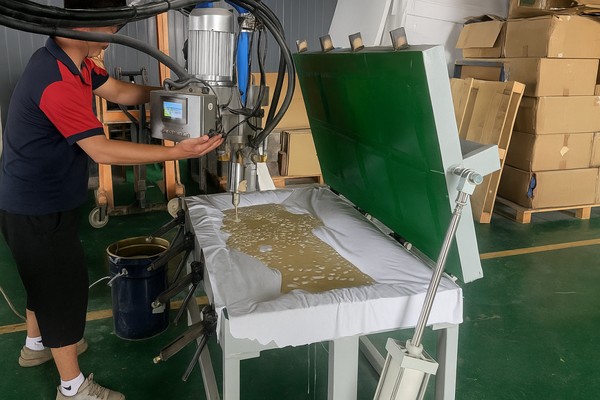
Polyurethane faux stone typically uses two-component polyurethane systems consisting of:
|
Raw Material |
Function |
|---|---|
|
Polyol |
Forms the foam structure |
|
Isocyanate |
Reacts with polyol to create polyurethane |
Additives such as pigments, catalysts, and fillers may also be used to control density and color.
Foaming and Molding
Using polyurethane foaming equipment, the materials are metered, mixed, and injected into molds.
The polyurethane reacts and expands inside the mold cavity, forming the decorative stone panel.
Surface Finishing
After demolding, additional treatments may include:
- surface coloring
- protective coatings
- UV-resistant finishing
These steps enhance durability and create a highly realistic stone appearance.
Advantages of Polyurethane faux stone
The development of polyurethane materials has significantly improved decorative stone panel technology.
Lightweight Structure
Polyurethane foam panels are much lighter than cement or natural stone products.
In many cases, polyurethane faux stone can be 70-80% lighter than traditional stone panels, reducing structural load and transportation costs.
Easier Installation
Because of the lighter weight, polyurethane panels can often be installed using adhesive bonding, screws, or simple fixing systems.
This simplifies construction and reduces labor requirements.
Realistic Appearance
Modern mold technology allows polyurethane faux stone to replicate highly detailed stone textures.
Many PU panels are visually almost indistinguishable from natural stone.
Better Thermal Performance
Polyurethane foam has natural thermal insulation properties, which can contribute to improved energy efficiency in building envelopes.
Scalable Production
Polyurethane faux stone production is well suited for industrial manufacturing, enabling consistent quality and high production efficiency.
Faux stone has become a popular architectural material because it combines natural aesthetics with easier installation. Traditional options like natural stone and cement faux stone are still widely used but often involve heavy weight and complex installation. Polyurethane faux stone offers a lighter, more efficient alternative, using PU foaming technology and precision molds to create durable, realistic decorative panels.As construction technology continues to evolve, polyurethane faux stone is likely to play an increasingly important role in modern building decoration and architectural design.
